
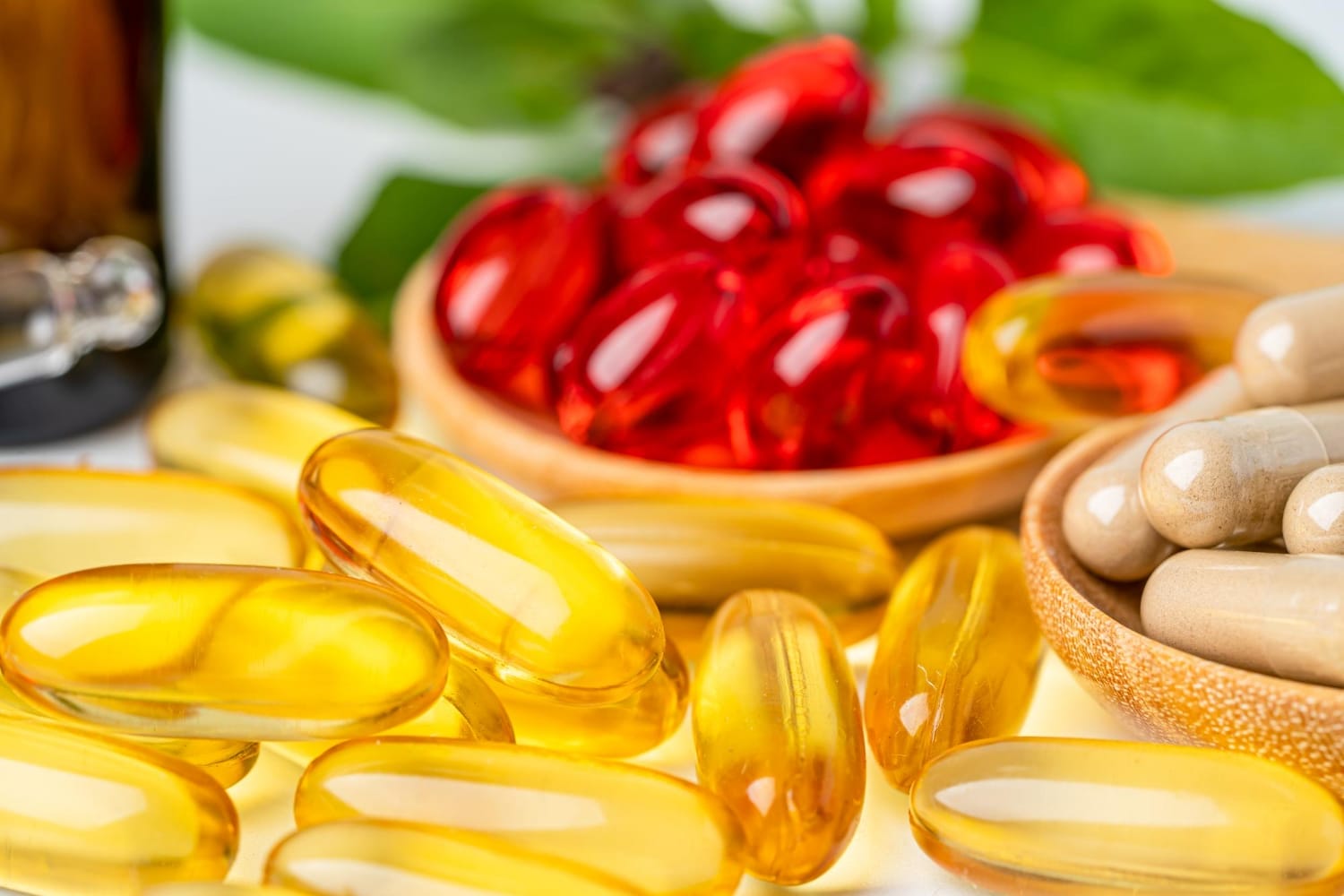
A quick quote from a food supplement OEM can sound like the green light to move ahead. It is short, feels simple, and seems affordable. But once production starts, the number on the invoice is often higher than expected. That gap between the first quote and the final bill catches a lot of brands off guard.
For newer health supplement brands, these pricing shifts can feel confusing and frustrating. You planned around one set of costs, only to learn that other details were not included. It is easy to think something went wrong, but more often, it is about what was not said early on. We see this happen a lot, especially during busy production months like early spring. So let us unpack why this happens and how to stay ready for real costs, not just the opening estimate.
What Impacts Initial Quotes from an OEM
Upfront quotes are usually built on standard models. That means the lowest-cost ingredients, normal production windows, and basic packaging. Any change outside those lines affects the cost. But early in the process, it is common to leave out specifics that matter later.
• Some quotes assume a base formula without adjustments for seasonal availability or specific sourcing needs
• Ingredient pricing often depends on where it comes from and when it is ordered, tropical herbs, for example, may shift pricing near harvest months
• Add-ons like halal certifications, special packaging, and documentation are not always in the first number
For brands that want Muslim-friendly products, these extra points matter. You may need halal-compliant gelatin, certified inputs, or ingredient documentation that takes longer to process. If these are not asked about at the quoting stage, they show up later in both time and cost. That is why a short quote should not be treated as the final number.
Unexpected Costs During Supplement Manufacturing
Once production starts, real details come into play. Some ingredients that worked in theory need to be swapped because of sourcing problems or incompatibility with other elements. Even flavor changes can force adjustments in testing and lead time.
• Raw materials can go out of stock, requiring urgent substitutions that cost more
• Testing for halal or other dietary claims may reveal unclear sourcing, leading to reformulations or upgrades
• Faster shipping or emergency batch runs may be needed to meet time goals
These unplanned moves affect both your finish date and your overall cost. Most of them are not anyone’s fault, they just reflect how real production works. But if you are not prepared, they can knock your project off balance quickly.
ORiBionature’s Malaysia-based team streamlines ingredient vetting, cost structure analysis, and batch test planning so real-world changes have less impact on your final supplement delivery time or total invoice.
The Role of Seasonal Timing in Cost Spikes
Early spring, especially in Malaysia, brings some scheduling challenges. It is a transition season, which means suppliers in different regions are adjusting to new cycles. At the same time, brands are preparing for health-related launches tied to post-holiday resets, Ramadan, or skincare changes after monsoon season.
• Harvest shifts can make certain plant-based ingredients less predictable for delivery
• Spring launches often include detox, immunity, or digestion support, which puts stress on specific OEM lines
• Waiting too long to choose your ingredients might force you into pricier or less-preferred items
When packaging materials, capsule types, or printed labels get locked late, the ripple effect affects everything else. You might end up paying more for express shipments or needing to adjust your first launch batch just to meet a key retail window. Smart planning helps, especially when timing your product for a season that already has a lot of traffic.
How to Plan Realistically with Your OEM Partner
It starts by asking the right things early on. Instead of just requesting a quick number, walk through the full picture. Think about your audience, timing, certification needs, and ingredient specs before collecting final quotes.
• Ask for detailed cost breakdowns, not just by product, but by ingredient bulk, testing, and packaging
• Talk about your launch season and whether that affects how fast you need to move
• If your brand targets Muslim-friendly buyers, confirm which halal rules apply and what documentation is included at each step
Many newer supplement businesses want to launch quickly, especially when they see a trend forming. But that “rush” often comes with pricing surprises. A few extra days upfront can save weeks (and added fees) later.
Keeping Supplement Launches On Track and In Budget
Most of the stress around cost creeps in when expectations do not match reality. To keep your supplement project steady, you need extra room to work. We make that easier by building in small buffers and staying open to edits.
• Plan for moderate adjustments if a preferred flavor, gelatin type, or extract becomes temporarily unavailable
• Budget with a little space between ideal and max cost, this helps when any part of the plan shifts mid-production
• Make space for check-ins during key stages, so you are never caught off guard by a batch size change or redesign request
With March rising into spring, it is especially important to keep communication steady. Ingredient availability shifts fast right now, especially with upcoming holiday-related demand. Staying flexible is what helps you hit the right timeline without reshuffling everything.
Why Smart Planning Helps Avoid Cost Overruns
Most brands do not realize how much goes into a final cost until they are already halfway through production. A quote is a quick look, it is not the full picture. What we have learned is that asking better questions early on makes a huge difference.
If you understand how a food supplement OEM builds its quotes, it is easier to notice what is missing. Missing packaging steps, expired pricing on ingredients, or custom formula add-ons often show up only when we are close to producing. You do not want to be solving those under a tight launch window.
Products that are made with halal-friendly goals, seasonal appeal, or trending wellness claims need shape and structure long before they get press-ready. That means taking the time to plan, talk, and build buffer space into both budget and timeline. The good news is that none of these steps are hard, they just need to happen earlier than most people think. When they do, cost surprises drop and production gets a lot smoother.
Planning your product development this spring means understanding true production costs is just as important as perfecting your formula. We often see companies underestimate timelines or miss important halal documentation requirements when selecting a food supplement OEM, especially with the fast-paced supplement market in Malaysia. At ORiBionature, we believe asking the right questions upfront helps you avoid costly mistakes and streamlines your project. Let us connect so you can gain valuable insight into what impacts manufacturing costs and move forward with confidence.