
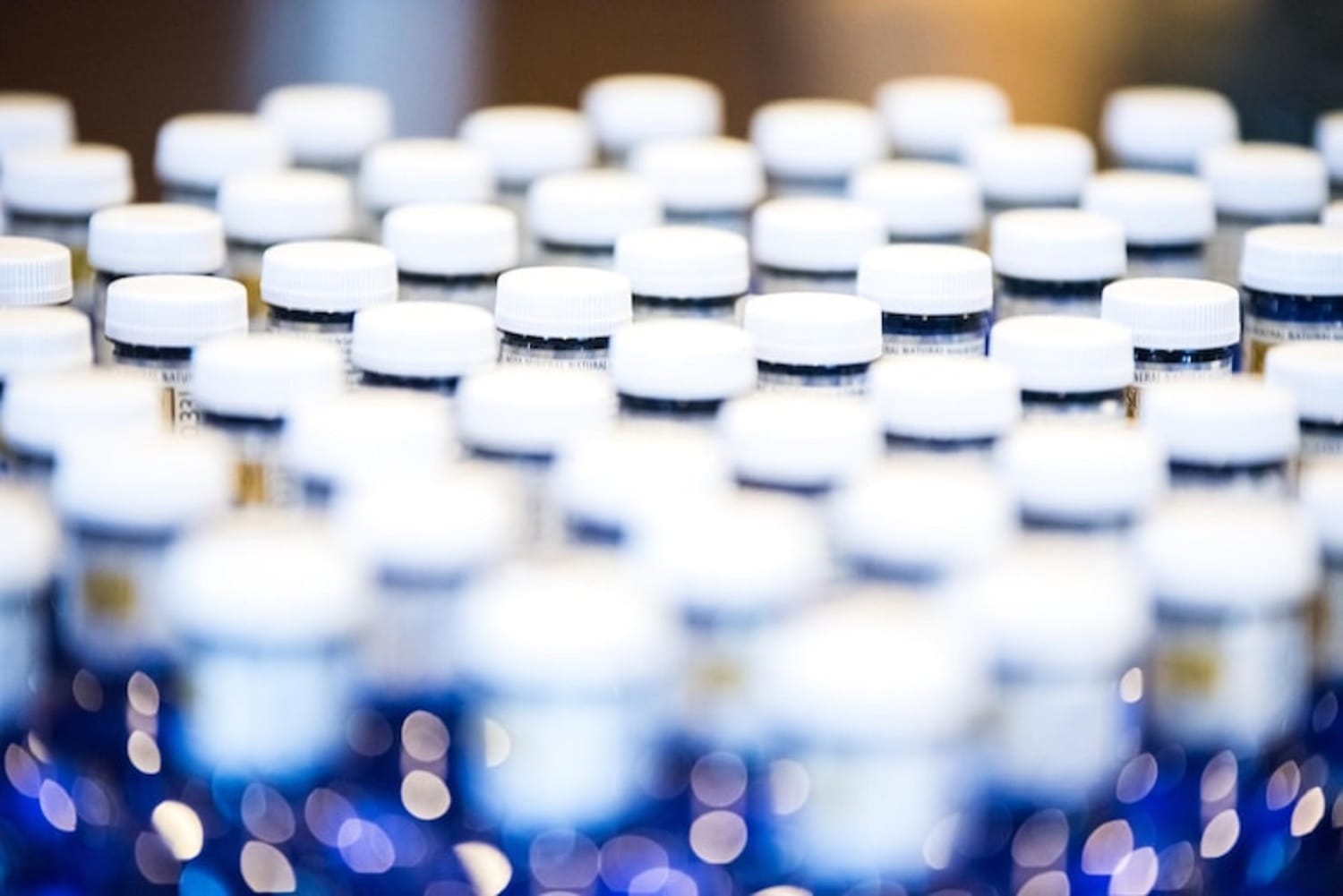
When people shop for food supplements, they’re often thinking about personal health. But for Muslim-friendly brands, there’s one more piece to the puzzle: halal assurance. That starts long before the finished product reaches shelves. Even the way supplements are bottled and sealed needs to meet religious and hygienic standards. So when we talk about supplement bottling, we’re not just talking about putting pills in a container. We’re talking about trust, transparency, and care at every step.
Muslim buyers want to feel confident in what they’re taking and how it was handled. That includes everything from facility cleanliness to the type of seal used on the bottle. As more global shoppers look for that assurance, we’ve made it a priority to get every detail of the bottling stage right.
What Muslim-Friendly Really Means on the Production Floor
Halal supplement production goes beyond banning certain ingredients. It touches nearly every part of the process. From sourcing to equipment, every decision matters.
• Ingredients must be sourced from halal-certified suppliers and verified for their origin
• All stages of production must avoid any contact with non-halal substances
• Workers follow strict hygiene practices, including protective gear and prayer-friendly shift planning
• Separate utensils, containers, and tools are used if any other products are processed in the same facility
Clean handling isn’t just about appearance. It includes traceability too. Every batch should be tied to a paper trail confirming where the ingredients came from and how they were prepared. International halal standards offer guidelines, but most brands go a step further, following stricter protocols that show respect for religious requirements while keeping quality consistent.
Halal-focused manufacturing creates extra confidence for buyers who might be new to a supplement or looking for assurances beyond regular hygiene. Documentation, careful handling, and even small steps like separating unlabelled stock help create a system that is understood and trusted by both staff and customers.
Picking the Right Bottle and Seal for Different Supplement Types
Different supplements need different types of protection. What works for a liquid may not work for a capsule or powder. We base every packaging choice on the type of product and how it will be used.
• Capsules and tablets often go into small plastic bottles with moisture control and tight seals
• Powders do better in wide-mouth jars with scoop access and tamper-proof lids
• Liquid supplements are usually bottled in dark glass to reduce light exposure and maintain shelf life
Bottle transparency matters too. Muslim customers tend to value visibility. Being able to see the product, its color, and shape helps them feel more connected to their purchase. Reliable seals like shrink bands, inner foils, or snapping caps also give peace of mind that what’s inside hasn’t been touched or exposed.
For long-term storage, tamper-evident bands and inner seals keep each container safe and hygienic until it is opened. Supplement companies often review bottle materials and lids for compatibility with religious and food-safety policies.
We plan every bottling step to support shelf life, cleanliness, and appearance. It’s more than packaging, it’s part of the promise we make to everyone who opens a bottle.
The Role of the Manufacturer in Ensuring Integrity
We design our production spaces with halal safety in mind. That includes setting up dedicated rooms for Muslim-friendly goods and keeping all non-halal items out of the same zone. It also means training our teams on the practices, not just the rules.
• Staff are taught to follow halal handling on the line and during sanitation
• Tools and work surfaces are cleaned between batches using halal-safe cleaning methods
• Separate storage areas keep ingredients clearly labeled and divided
• Audit logs confirm when surfaces were cleaned, who handled them, and what they were used for
Inspections are ongoing. Halal compliance isn’t a once-a-year practice. We run routine checks and bring in outside certifiers to confirm our workflow. Labels get reviewed multiple times by QA staff before printing. The goal is to keep food safety and faith standards running side by side without slowing down production.
The manufacturer’s role extends to the final checks before shipping. Boxes and containers are inspected as they’re sealed to be sure the process has been followed at every step. These efforts build trust with buyers and retailers who depend on visible controls and careful documentation.
Preparing for Global Buyers with the Right Label and Finish
Labels help communicate everything from health guidelines to religious approvals. Muslim-friendly products must show that certification clearly and professionally on every bottle.
• Common labels include halal logos, batch numbers, production dates, and readable ingredient lists
• Clear icons and text make it easy for buyers to tell what’s inside and where it came from
• Trilingual packaging, like English, Malay, and Arabic, is helpful for markets in Southeast Asia and the Middle East
A clean, honest look builds trust. Customers want packaging that doesn’t hide details, skip steps, or risk offense. Sharing full ingredient lists, including the sources of emulsifiers or gelatin, speaks directly to that trust. And when planning for export, we align the label design with local laws and cultural expectations so nothing gets flagged or sent back.
Correct labeling helps customs officials, distributors, and local inspectors process shipments with fewer delays. Transparent, compliant packaging makes global expansion more feasible for supplement brands focused on Muslim-friendly products.
Getting Ahead of Early-Year Trends with Year-End Bottling Plans
Late December can be one of the best times to complete bottling for Q1 product lines. After New Year’s, there’s usually a surge in wellness goals and diet changes, and for many Muslim shoppers, that flows right into Ramadan planning.
• Pre-Ramadan supplements, like digestion aids or energy boosters, often need to be bottled and boxed up before February
• Last-minute bottling in January risks delay, as many plants restart production around the same time
• Including travel-sized or lightweight bottles can support users who are on the go after the holiday season
Smart supplement bottling for the upcoming quarter isn’t about speed, it’s about readiness. Products that are already filled, sealed, and labeled before the new year get out the door faster. That’s especially helpful for export orders with long shipping timelines.
Companies that anticipate demand by planning bottling runs early are better positioned to respond to larger orders from retailers or distributors. Being ready for spikes in interest, whether due to holiday advertising or new year resolutions, means fewer missed opportunities and stronger inventory flow.
Trust Built with Every Bottle
For Muslim-friendly brands, how supplements are bottled isn’t an afterthought. It’s a key part of keeping promises to users who care deeply about what they’re putting in their bodies. From glass choices to sealing methods, every step sends a message: this product was made with respect and responsibility.
Our job is to make sure each bottle reflects that. With clean bottling lines, halal checks, and clear labels, we support brands that want to be taken seriously, locally and abroad. And we do that by treating every detail like it matters, because it does.
At ORiBionature, we understand that delivering consistent quality and maintaining clean handling are important long before your products reach the shelf. From transparent labels to secure packaging, every container showcases our commitment to compliance and care. Planning your next halal product run in Malaysia becomes easier when you review your options for supplement bottling with us. We’re here to help map out a solution that matches both your product needs and all religious and safety standards. Contact us to start planning today.