
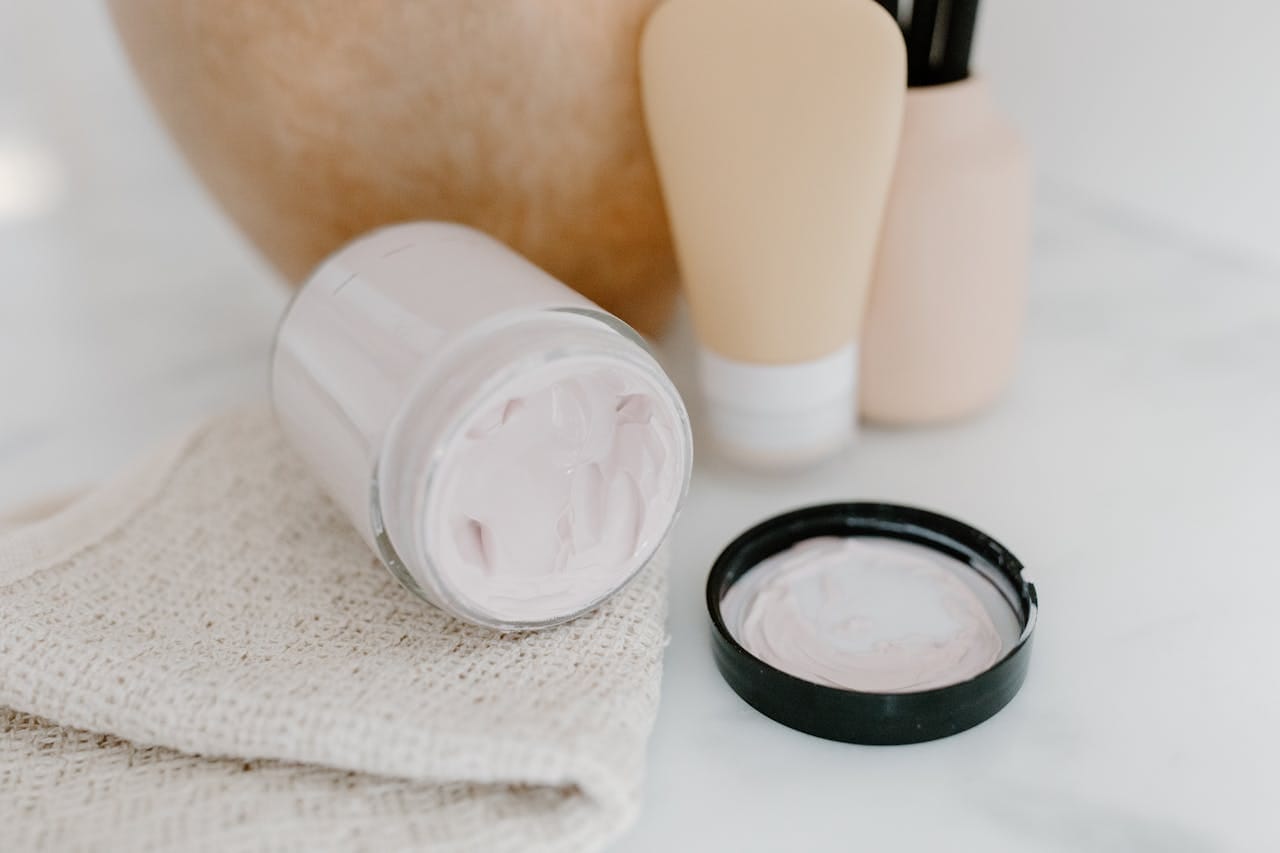
At first glance, skincare packaging might seem like a simple design choice. Pick something that looks sleek, matches your product color, and maybe feels nice in the hand. But when jars crack in transport or pumps stop working halfway through, it quickly becomes clear that packaging does more than just hold the product. It protects the formula and the brand’s reputation.
In Malaysia, weather plays a bigger role than many realize. Temperatures are warm year-round, and humidity levels stay high. Toss in frequent travel across states and rising interest in personal care during spring campaigns, and your packaging has a lot to stand up to. For anyone producing OEM skincare in Malaysia, durability matters just as much as appearance.
Understand What Breaks Packaging in the First Place
Trouble often begins between the warehouse and the retail shelf. Boxes get shaken. Containers expand with trapped heat. A small design flaw can turn into a leak or a shattered jar, creating a mess the customer never forgets.
- High heat can soften thin plastics and melt product residue, weakening seals
- Humidity causes adhesives, printed labels, and laminates to peel, bubble, or shift
- Cheaper packaging materials often warp, bend, or lose shape faster than more stable options
- Rough handling during domestic transport or bulk shipping leads to hairline cracks or dented aluminum sleeves
Some brands lean on lighter or low-cost container options early in development to speed things up. It might save a little at first, but if packaging cannot hold up in the environment where the product will live, the damage usually costs more long term.
ORiBionature’s cosmetic OEM solutions include technical input for packaging resilience, helping clients select tested bottles, jars, and tubes that fit Malaysia’s humid, warm conditions.
Choose Materials That Match the Local Conditions
Not every material handles tropical weather the same way. A few extra grams of strength in your bottle, jar, or tube can make all the difference between a package that succeeds and one that leaves customers disappointed.
- Plastic options like HDPE and PET tend to resist warping from humidity and keep shape through travel, though they can scratch easily
- Tubes made from laminated layers can help thicker skincare formulas stay fresh, especially when squeezed frequently
- Aluminum gives a more upscale feel, keeps air and light out, and will not react to oils, though it may dent if dropped
- Glass looks elegant but gets risky on long travel routes, especially without soft inserts or protective layers
Finishes can also make or break a product’s staying power. High-shine coatings may peel in heat. Labels that use water-soluble glue can slide right off if stored near a window display or in a humid storeroom. Small adjustments to coatings or label adhesives can help packaging look cleaner for longer.
ORiBionature supports brands by experimenting with packaging finishes and adhesives that are proven for both aesthetic appeal and tropical shelf life, avoiding issues such as bubbling, fading, or wrinkling over time.
Think Beyond the Bottle: Seals, Caps, and Dispensers
The container is just part of the story. We have seen strong jars with cracked lids and leakproof tubes with poorly made nozzles. The most common failures are not always visible, they are in the moving parts.
- Thin screw caps that do not align properly can crack after a few uses, especially with thicker creams or exfoliating scrubs
- Flip-tops may loosen over time if they are not fitted tightly to the neck of the container
- Dropper bottles can leak if the rubber bulb or glass stem is not properly sealed
- Pumps with delicate springs often break down after repeat use, especially if the formula is thick or contains botanical particles
Think about how the customer will handle the product. Will they toss it in a bag? Store it in a bathroom with changing humidity? Is the product meant to be reapplied more than once a day? Safer choices often involve closures with built-in sealing ridges or inner plugs that prevent spills, even if the outer layer loosens. When packaging supports real-life use, it instantly builds confidence in the product.
Test Early, Not After the Damage is Done
It is much easier to change a container before you have printed 5,000 units than after those same items arrive damaged from a shipping run. Stress tests are not just for show, they spot weak links before your customer does.
- Drop tests simulate what happens when bottles fall off shelves or shift in a moving box
- Heat exposure testing helps check how formulas may react during warehouse storage or delivery in a warm van
- Leak tests involve tilting and shaking packaging under pressure to confirm that caps, seams, and seals hold tight
Prototype rounds do not have to be elaborate. Often just a few filled packages in simulated store and transport settings can be enough to learn what holds up under daily wear. Simple trials may uncover how coatings react to rubbing, which labels wrinkle fastest, or which seals fail first when you change temperatures quickly.
We have found that testing things early avoids changes that delay your launch or tie up extra money in reorders. A few extra steps during development are usually worth it when your product shows up clean, leak-free, and ready for display.
Built to Last, Made to Win Trust
Skincare packaging is more than a container. It is the customer’s first and last interaction with the product. When something leaks in a purse or cracks in a drawer, confidence slips. When the label fades after one week, the product starts to look old, even if the formula is still fresh.
Strong packaging does not always cost more, but it takes longer to plan. For us, the little decisions matter. How tightly does the cap seal? Will the coating survive travel between hot cities? Does the finish look the same after a few weeks on the shelf?
By focusing on long-wearing packaging early on, we help protect products with better consistency. And we make it easier for customers to enjoy skincare the way it was meant to be used, no mess, no damage, no second guessing. When packaging holds up, trust does too.
Strong packaging choices help protect what matters most, especially when facing daily climate challenges across Malaysia. When developing beauty products that need to perform from the factory floor to the retail shelf, it pays to start with the right structure and test it early. At Oribio Nature, we have partnered with brands across various categories and understand what makes a container both attractive and durable. As you plan to produce OEM skincare in Malaysia, our team is ready to help you create packaging that excels in real-world conditions. Connect with us to start planning your next product with confidence.