
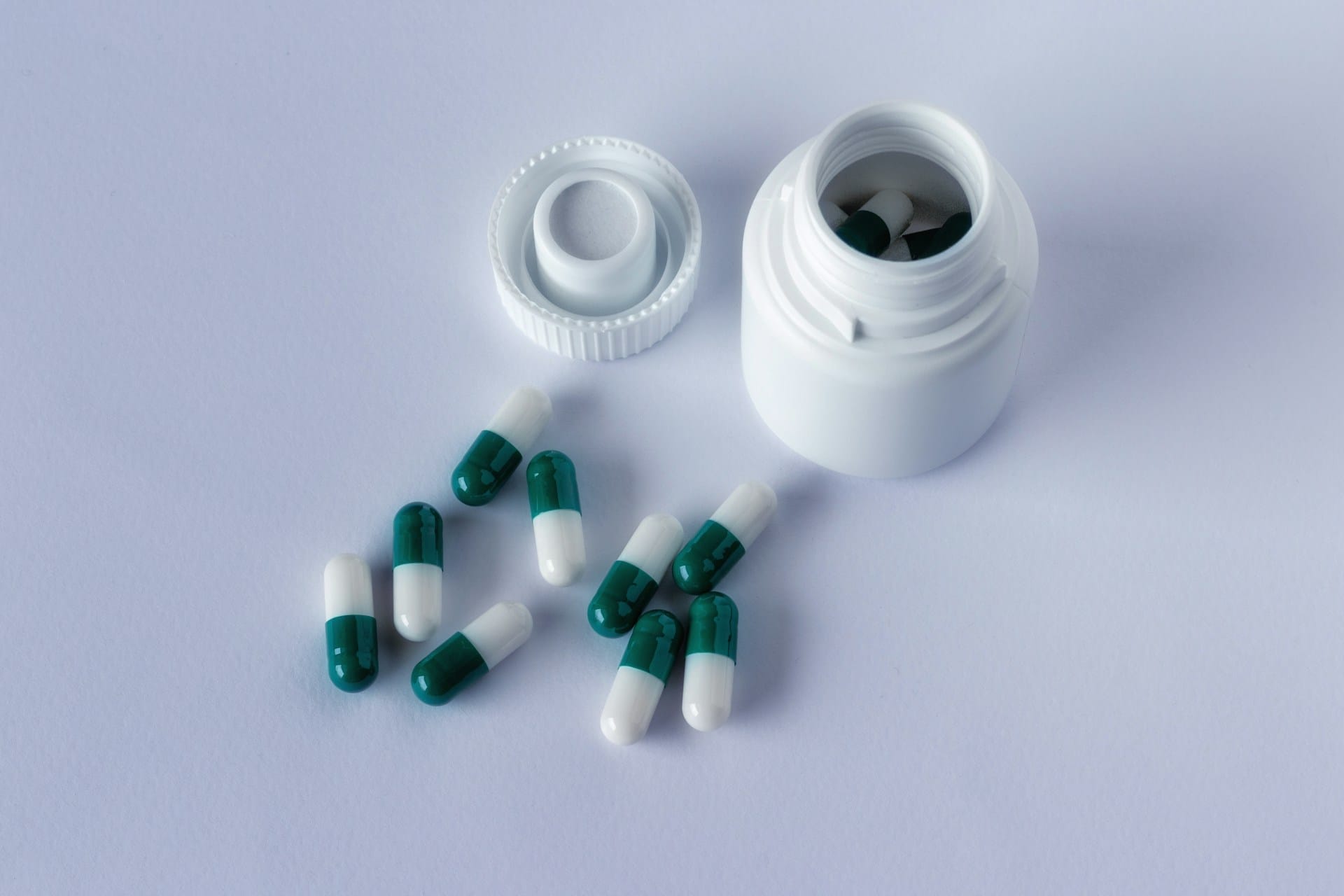
Nutrition claims play a big role in how custom supplements are shaped and sold, especially when Halal status matters. It is not just about ticking off another box. These claims influence packaging, ingredient choice, and how your product connects with buyers who care deeply about compliance and transparency.
When you are building something based on trust, Halal nutrition claims cannot be an afterthought. These claims carry strong consumer expectations, especially for brands creating Muslim-friendly product lines. By handling them early, we help our overall OEM health supplement planning run smoother. It means fewer changes later, and less risk of delays when things ramp up during labeling and testing.
Understanding Halal Claims in the Supplement Space
Halal, in the context of nutrition, refers to what is allowed under Islamic dietary laws. It does not just apply to meat or major food items. In supplements, Halal touches every part of the process, from the source of ingredients to how they are processed, stored, and labeled.
Halal nutrition claims are different from standard dietary terms like vegan or organic. They are faith-based but still regulated in many product categories. They often cover things that do not always appear on the surface ingredients list, like how gelatin is derived or if certain enzymes touch non-Halal matter during production.
Founders new to this space often get tripped up by small details. Good intentions are not always enough when the formulas involve complex blends, capsule shells, or imported flavoring. Without early checks, your product may claim Halal alignment on paper but fall short in practice. Treating claims as part of the build, not something to verify at the end, can help avoid missteps.
Sources of Ingredients: What Needs to Be Checked
Ingredients are where most Halal concerns start, especially when making a product from scratch. Items like gelatin, food coloring, collagen, enzymes, and flavor mixes often need a second look. These materials may seem fine at a glance, but not every supplier provides clear origin or processing information.
• Gelatin is one of the most sensitive ingredients, since it is often derived from animal sources that may not be Halal.
• Enzymes and emulsifiers can be microbial but still processed using inputs that do not meet Halal guidelines.
• Even something as small as capsule colorants needs reliable sourcing that supports your claim.
In Malaysia, where we are based, warm temperatures play a role in ingredient handling. Some raw materials can lose quality if stored too long or too humid. Including storage timelines and temperature limits in early planning helps support truth in labeling and meet Halal requirements more consistently.
We help brands navigate ingredient sourcing by providing full documentation and approval records for each batch, which streamlines the Halal verification process.
Labeling and Marketing Your Claims Correctly
Once a product’s ingredients are Halal-aligned, labels must reflect that clearly and carefully. Misleading phrases or vague claims can create confusion with consumers and raise red flags in local regulatory reviews.
• Labels should include a clear Halal certification if one has been issued. Generic wording can feel like an empty promise if not backed up by a certifying body.
• Packaging should avoid terms that create false clarity, like “clean” or “pure,” unless supported by specific certification.
• Ingredient panels need to list substances responsibly, using their correct names and order of quantity.
Your labeling process runs better when labeling professionals and your OEM health supplement partner work closely from the beginning. Keeping layout approvals and final mockups in one shared timeline often helps reduce rework.
We support brands throughout the labeling phase with design, regulation checks, and preparation of product dossiers that ease Halal and market entry reviews.
Who Handles Certification and How They Review Claims
Every Halal-certifying body has slightly different forms, processes, and follow-up needs. But they are all looking for the full picture: where your ingredients come from, who processed them, and how your product moves from manufacturing to packaging.
Getting started with Halal certification does not mean your entire formula will pass on the first try. It is fairly common to have to swap one or two ingredients if a supplier will not provide the right documents. That is why we suggest building in time for early certification review. It helps reduce last-minute changes before launch.
In Malaysia, most teams are familiar with how Halal agencies operate and what to expect across different phases. That local insight matters when you are trying to meet deadlines while still getting the paperwork right. Certifiers do not just check ingredients. They check systems, process integrity, and whether staff have been trained properly for compliant handling.
To ensure the process goes smoothly, gather supporting documents for all ingredients as early as possible. Create a project timeline that includes checkpoints for each phase of Halal review, from initial batch sourcing to packaging layout signoff. By building out these steps in the schedule, some of the pressure is taken off the final compliance review, and teams can address questions at each stage, reducing rework later. Early communication between your team, suppliers, and certification bodies also ensures no surprises when your submission is reviewed, which can avoid costly last-minute fixes.
Keeping Claims Consistent During Scale-Up
Scaling up does not mean copy-pasting your smaller process into large-scale runs. Any time supply chains or formulations shift, your Halal claim needs another look to confirm it is still accurate.
• Batch size changes can sometimes trigger changes in sourcing, especially if the vendor needs to upgrade packaging or shift to a different facility.
• If a flavoring component gets reformulated to better suit a larger quantity, that version might have different processing steps or carrier ingredients.
• Machinery and production line usage can affect cross-contact risks. This matters when switching production lines or co-manufacturing with other brands.
Every time a change is made, we recommend revisiting the product’s claim checklist to avoid errors working their way into final approval. Scale does not have to mean stress, but it does require stronger tracking and review systems.
Regular audits are a great tool for maintaining Halal claims. As batches increase in size, set periodic reviews for sourcing documentation, and verify no changes have crept in from vendor substitutions. Develop a method of tracking ingredient lots and reviewing production line history, so any changes in raw materials or process flow are visible to your quality team. When details are confirmed at every step, claims stay strong and your product keeps its trust factor with customers.
Planning Ahead Makes Branding Easier
When Halal nutrition claims are planned early, not tacked on when you are almost done, every part of the process flows better. Ingredient sourcing is more predictable. Packaging gets approved sooner. Launch dates do not get pushed.
Working with trusted suppliers and certification-aware partners helps prevent loops of explanation that can hold your project back. We have found that when Halal planning happens early, it supports better outcomes in every area, from legal reviews to retailer expectations.
Correct claims build trust. And trust builds brand value. Even if your primary audience is not exclusively Muslim, clear Halal statements show that your product stands for something and has taken the time to prove it.
At Oribio Nature, we understand that building a supplement brand that aligns with Halal standards requires careful planning at every stage, from ingredient traceability to labeling and certification. As a manufacturer based in Malaysia, trust and transparency are at the core of our process because we know how much it matters to your customers. If you need guidance with your OEM health supplement concept, our team is here to help you get started, reach out to us today.